Location:
London
Limestone floor restore
Description: Limestone floor restore
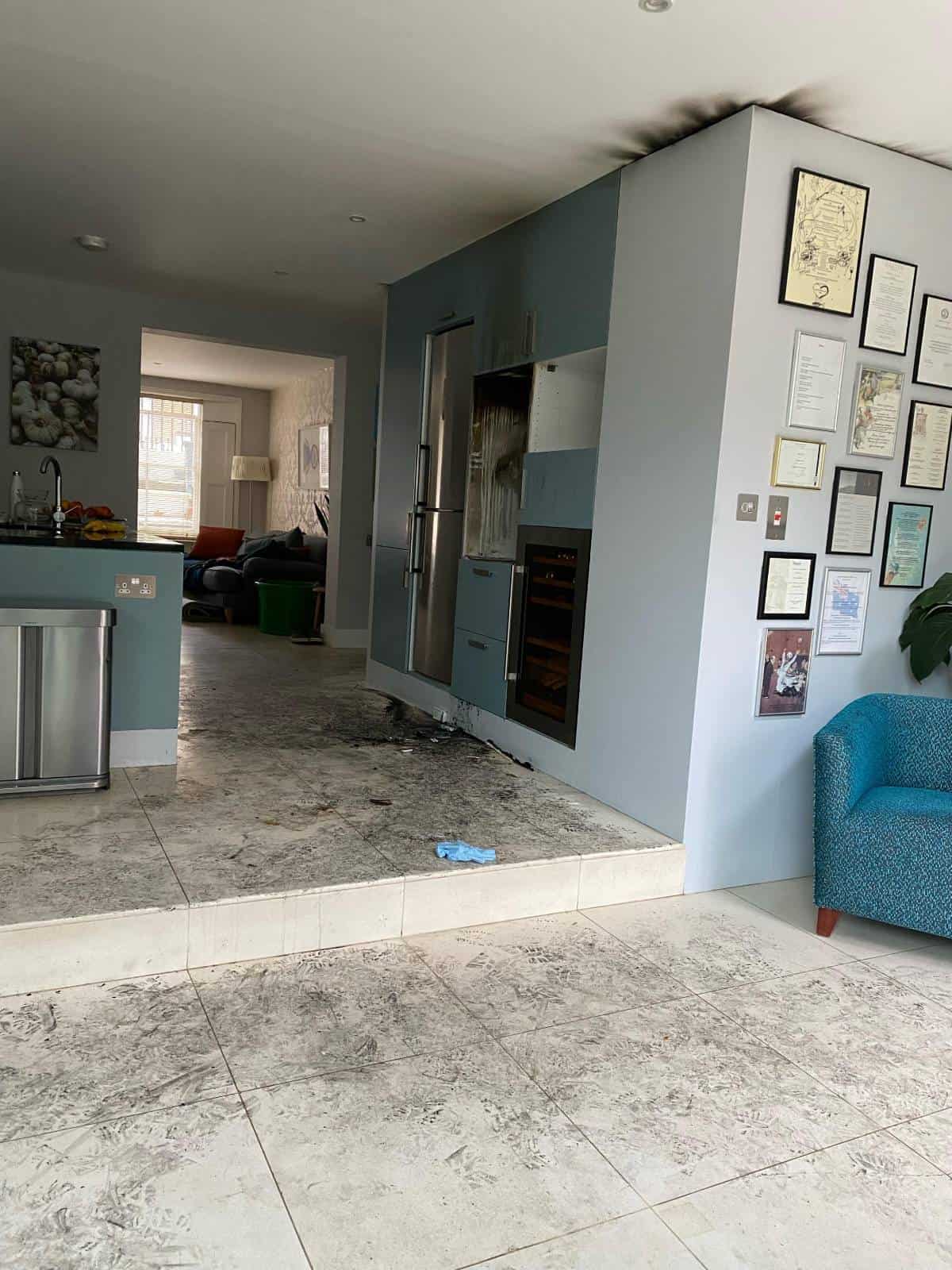
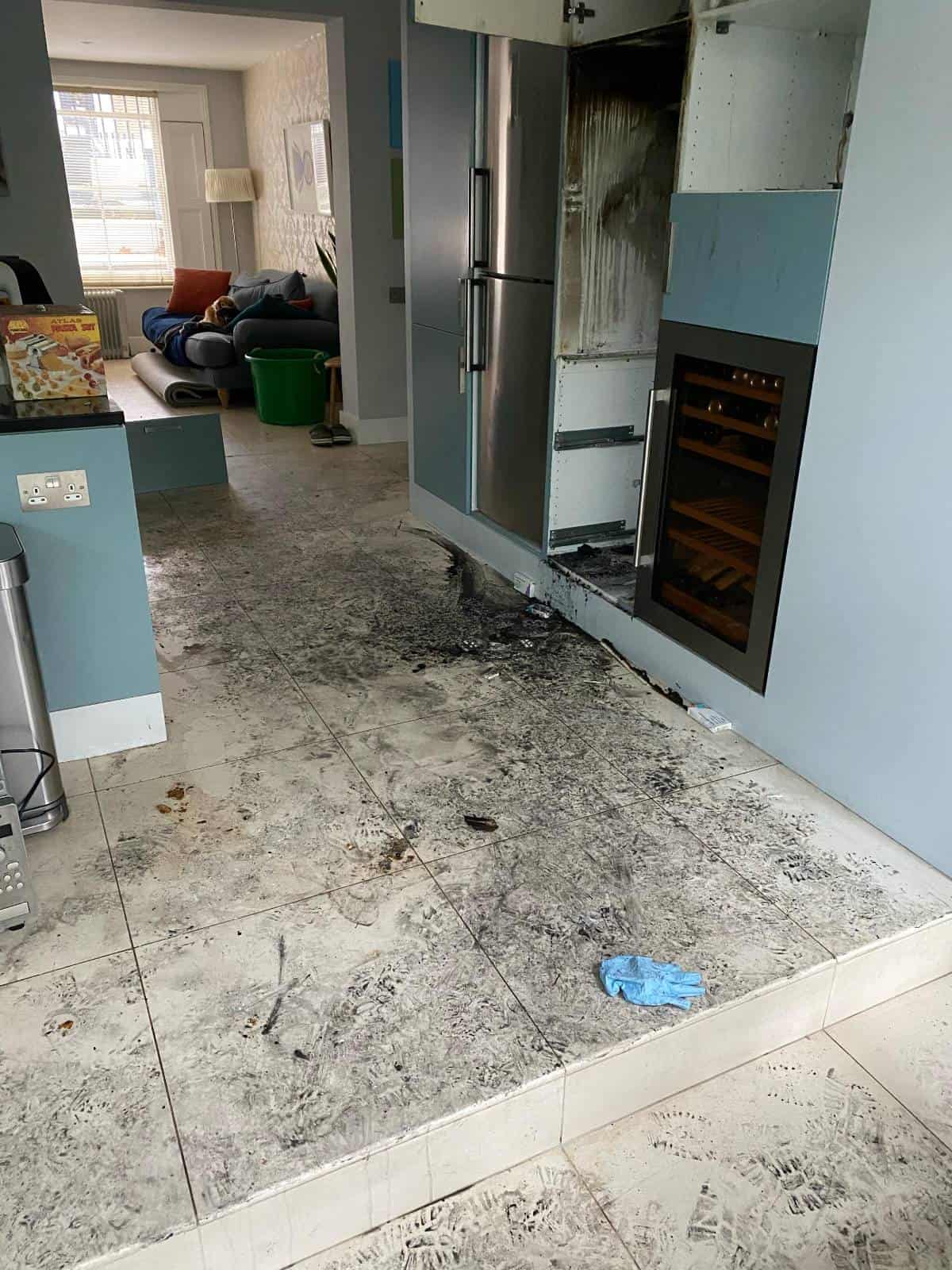
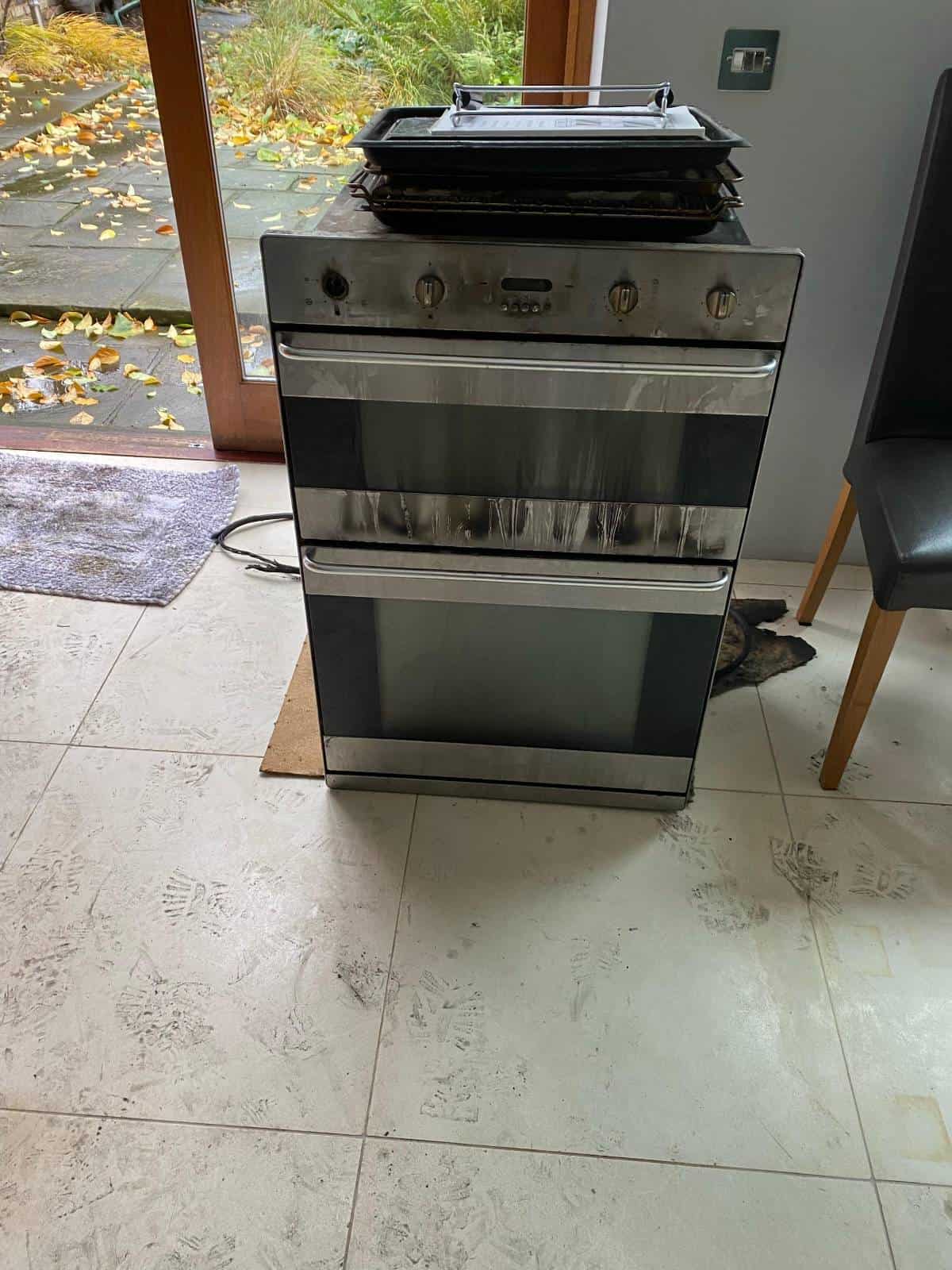
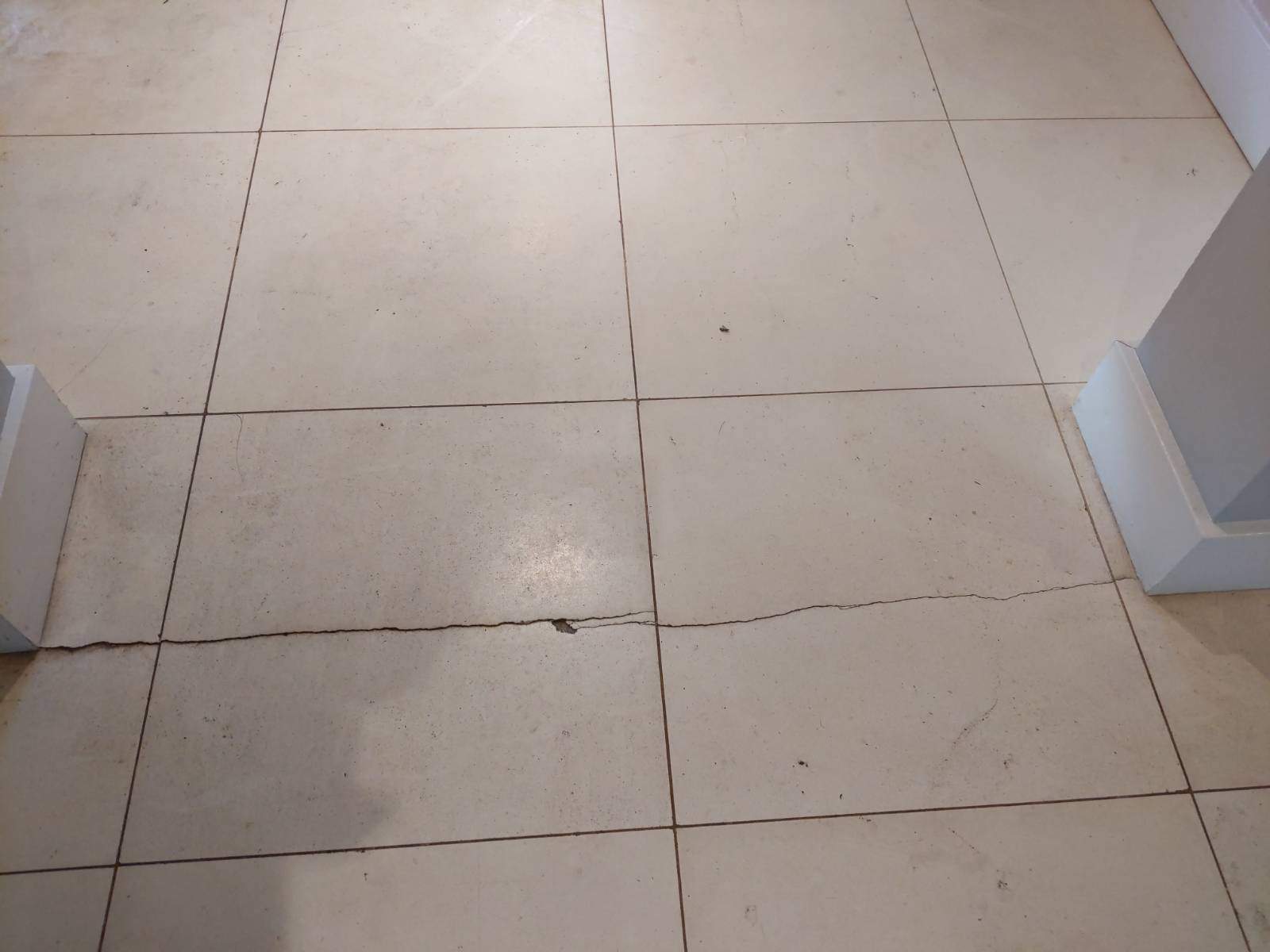
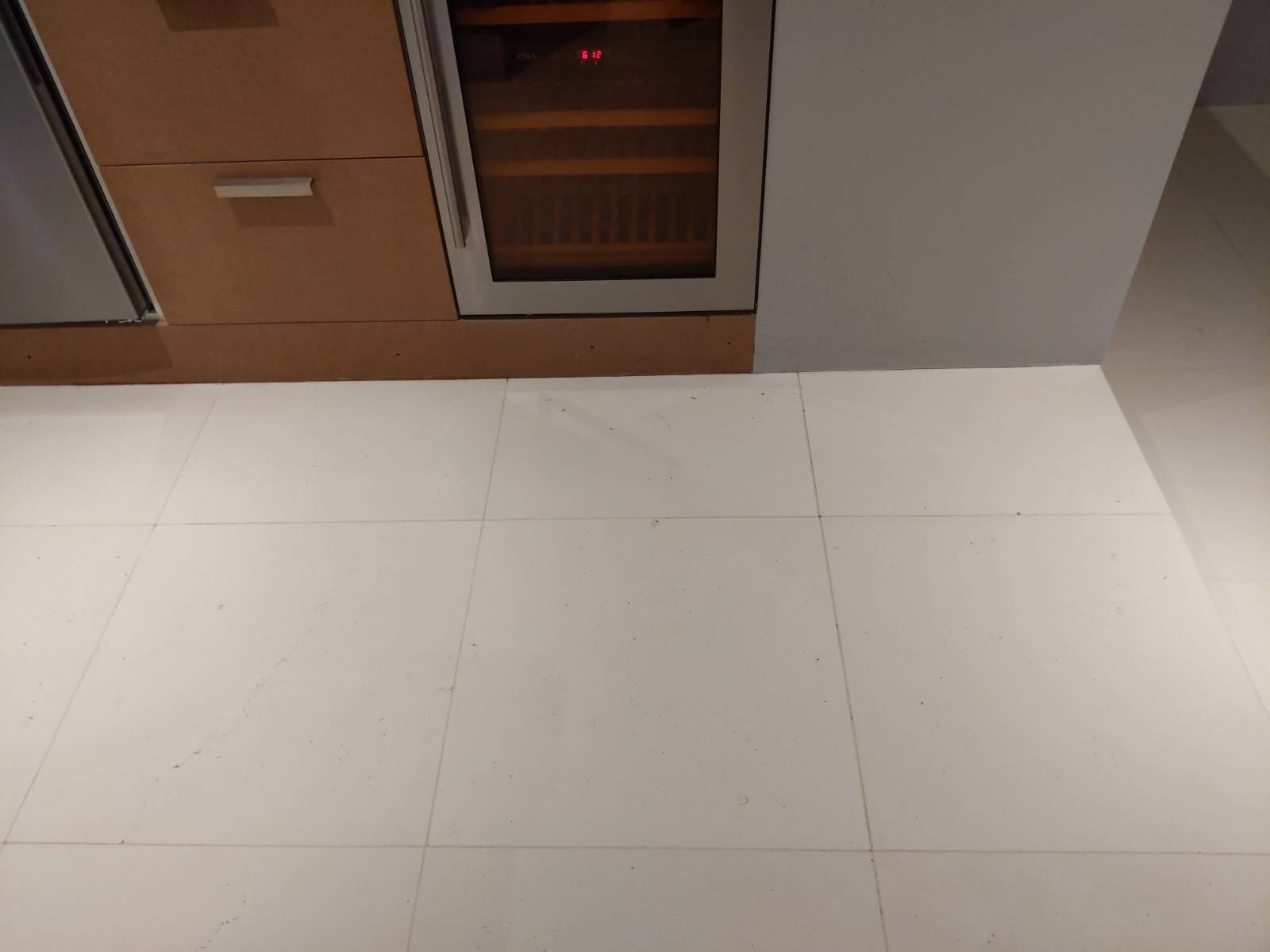
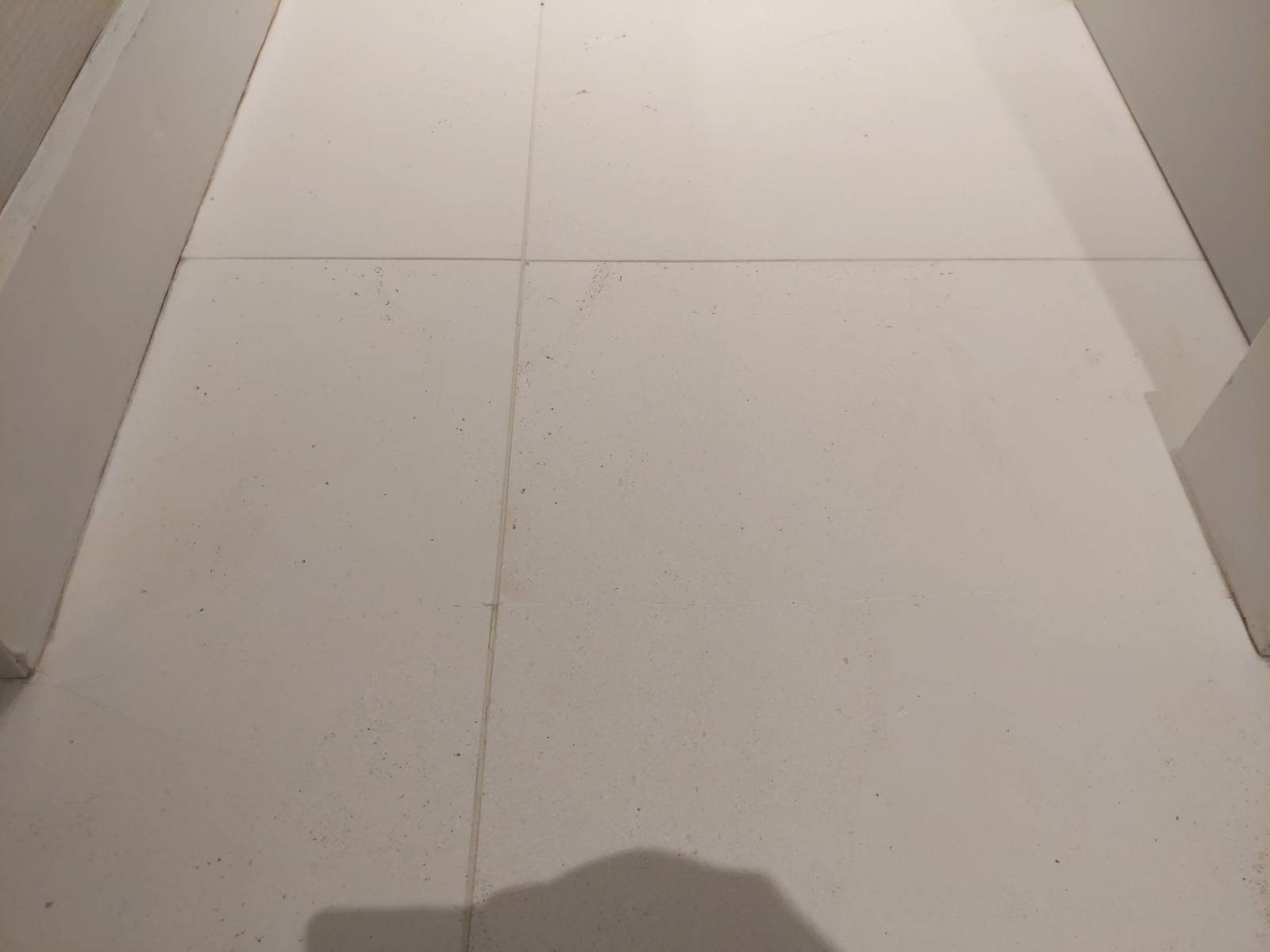
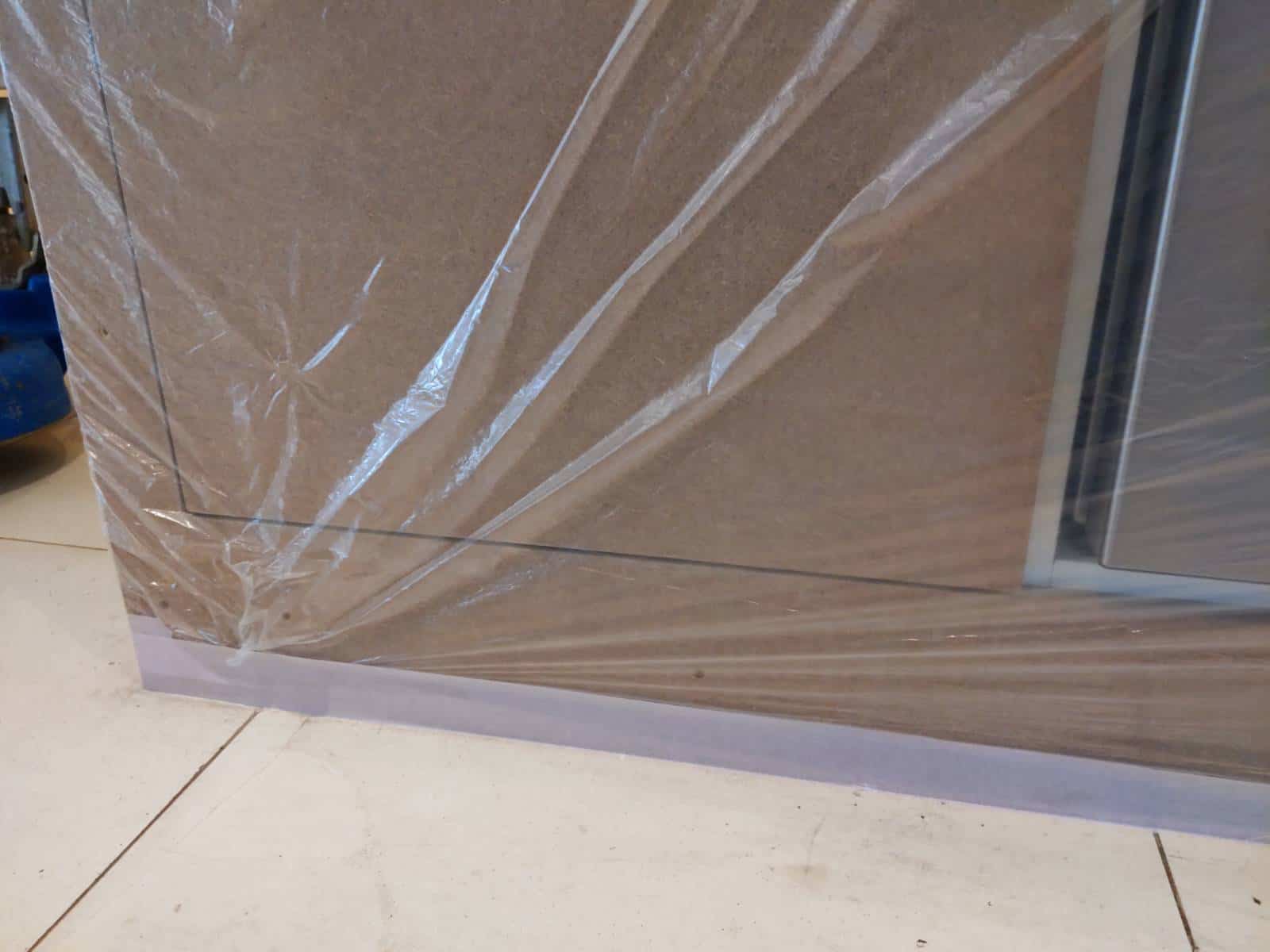
This limestone floor restoration in London involved removing up to 3 mm from the upper surface to address staining and ingrained dirt, then finishing to a matt appearance and applying a solvent-based impregnating sealer. The gallery includes both damaged and renewed areas, helping show why a deeper surface treatment was selected.
Removing several millimetres of limestone is substantial and must be planned around tile thickness, edges and joints. Grinding can improve marks in the upper layer; a stain that penetrates further or a cracked tile may remain or need separate repair. A matt finish retains a quieter appearance than a polished gloss. The selected sealer forms part of the floor maintenance plan. Spills still need prompt attention, and cleaning products should suit limestone and the applied treatment. The photographs document the work and visible result on this particular floor.
Planning a similar limestone project
Limestone varies in porosity, colour and hardness. Assess the stone, joints and existing treatment before selecting a cleaning or finishing method. A stain within the stone is different from loose dirt on its surface. Likewise, a loose tile or open crack needs attention beyond polishing alone.
For a similar project, compare the damage and setting with this case study, then discuss the scope before work begins. Explore stone surface restoration services and browse the project gallery for other examples. The appropriate process depends on the actual material, previous treatment and required finish.
Care after limestone floor restore
Use a cleaner suitable for limestone and remove abrasive grit regularly. Acidic cleaners and descaling products can damage this calcareous stone. Blot spills rather than spreading them across the surface. A compatible impregnator may help manage some staining, but it does not prevent acid etching or remove the need for care.
For independent background information, visit Natural Stone Institute’s care guidance. This resource provides wider context; the treatment for an individual surface still needs its own assessment.
Request advice for your surface
To discuss limestone floor restore, send Stone Rescue photographs and request an assessment. Include your postcode, approximate area and any known treatment history. Also send a wider view of the setting and close-ups of the damaged sections. We can then explain the next step and whether a site inspection is needed.