Location:
Kings Road, London
Travertine chip repairs
Description:
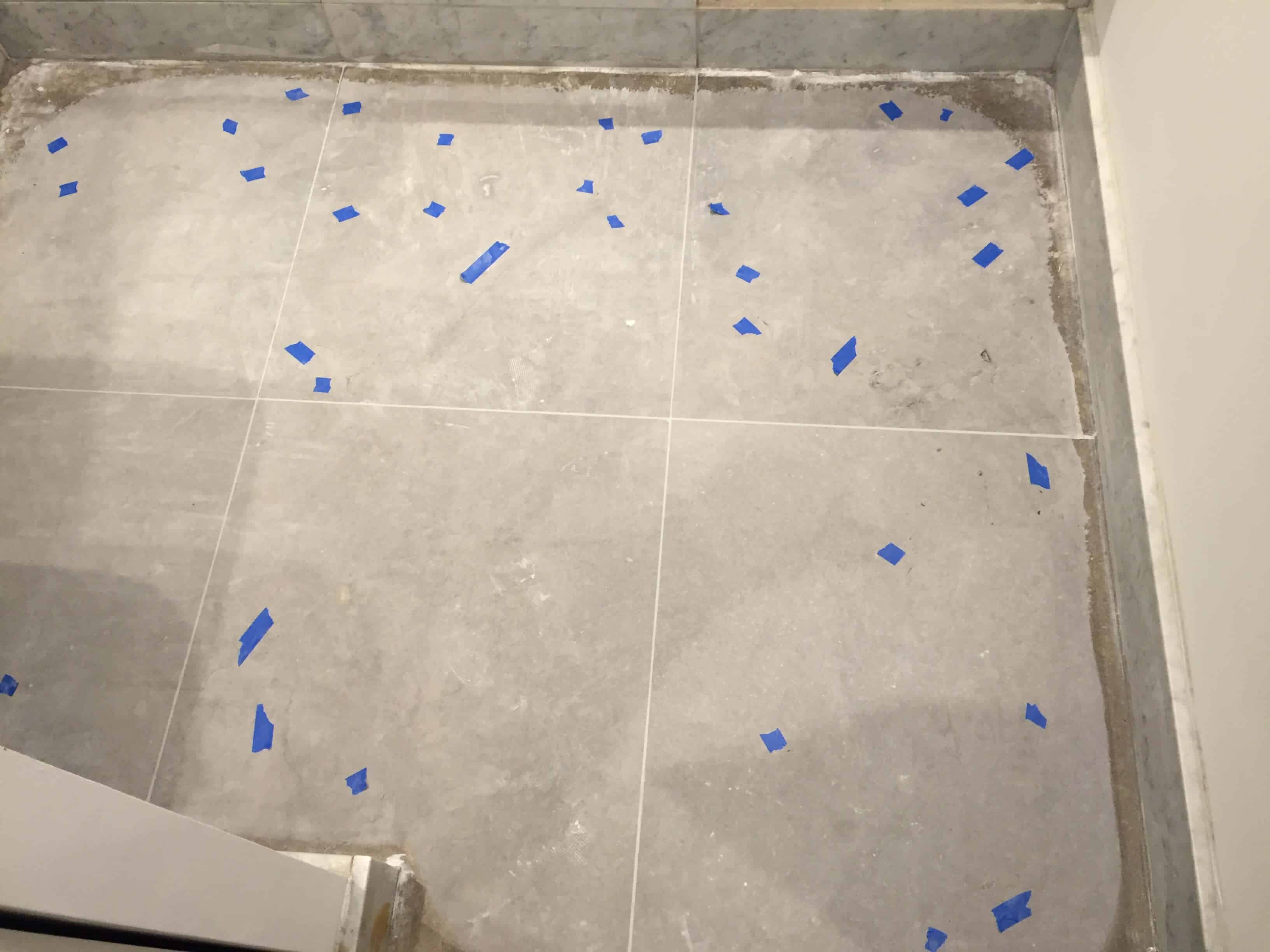
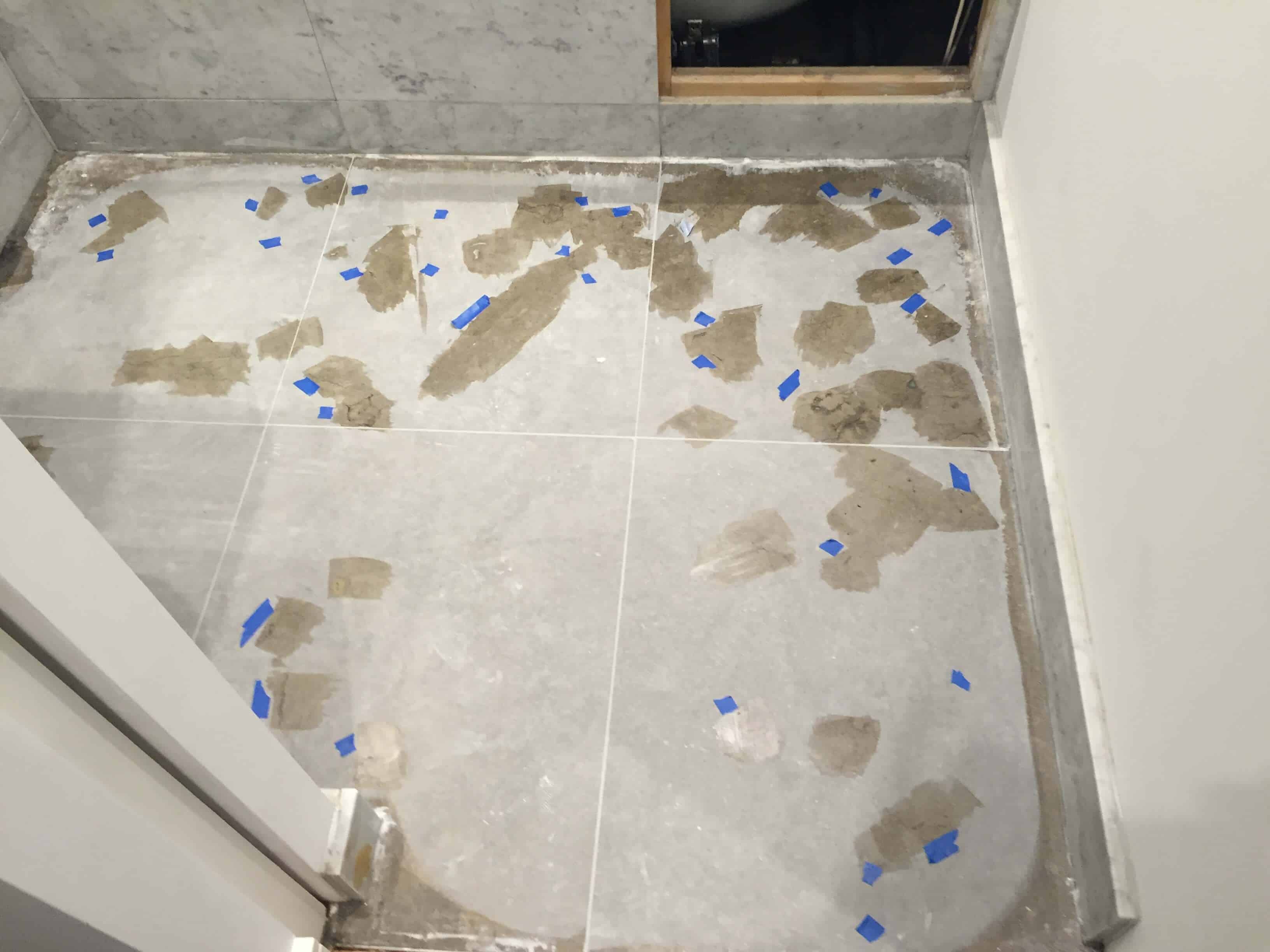
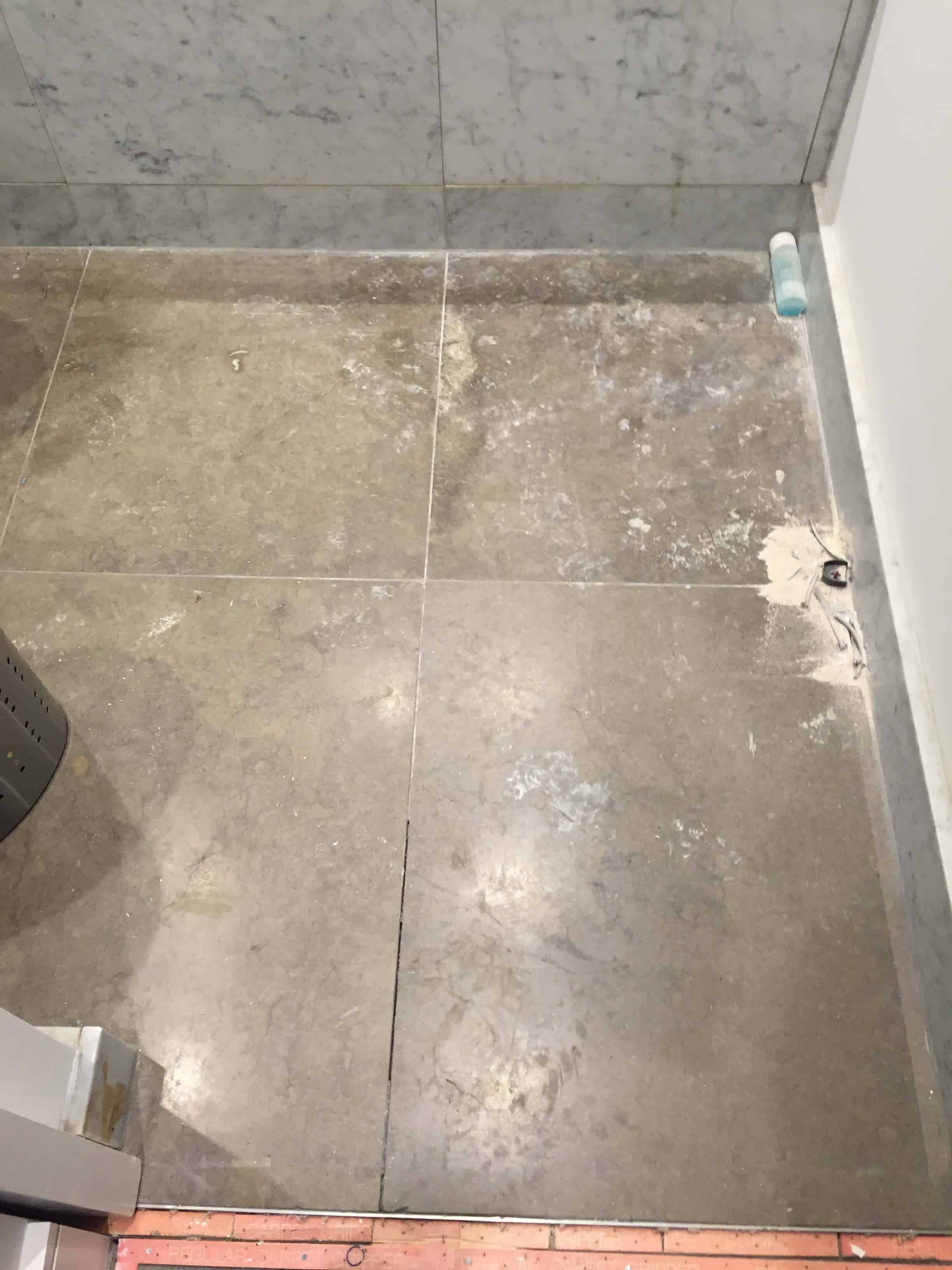
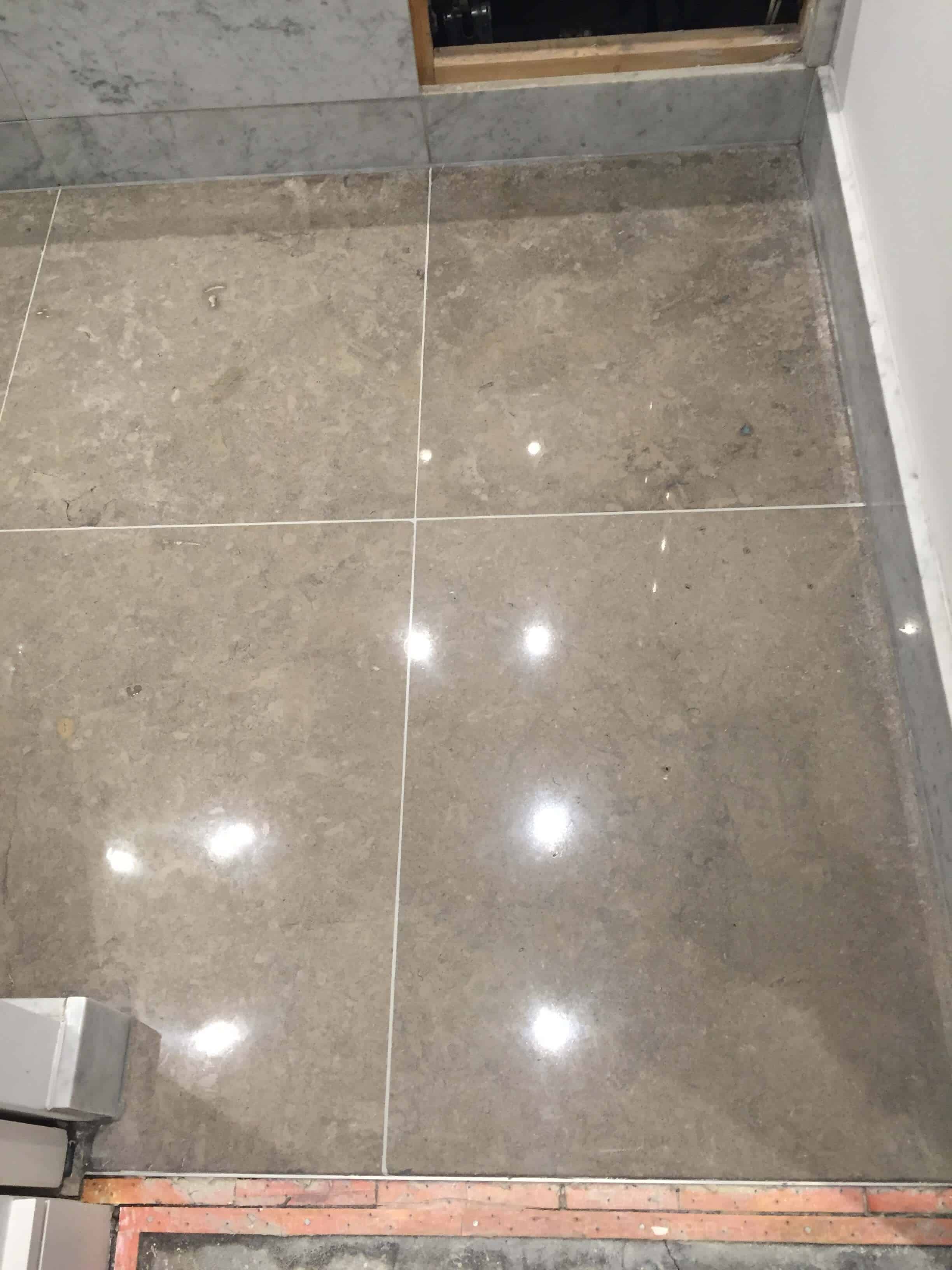
Travertine chip repairs on Kings Road, London, are documented in this Stone Rescue case study. The photographs show local damage alongside views of the surrounding stone.
Travertine chip repairs: project details
This Kings Road, London, case study concerns chips in travertine. The accompanying gallery also shows polishing and sealing work, giving context for how a small local defect sits within the surrounding stone. Travertine often contains natural voids and colour variation, which should be considered when selecting and blending a repair material.
A chip repair can improve the edge or surface where stone is missing, but an exact invisible match cannot be promised from a photograph. The repaired area and adjacent finish may need to be treated together so that the result looks coherent in normal light. The original notes do not record the size of every chip, the filler brand or a durability guarantee. The photographs illustrate this individual assignment. For a comparable travertine surface, close views of the damage and a wider view of the tile are useful before deciding on a repair.
Planning a similar travertine project
Travertine contains natural pores and filled cavities. Check for open pits, loose filler and damaged edges, alongside the overall finish. A repair material should suit the stone and its use. Colour and texture can vary within a single tile, so assess a repair in normal room lighting before treating the whole surface.
For a similar project, compare the damage and setting with this case study, then discuss the scope before work begins. Explore surface restoration services and browse the completed-work gallery for other examples. The appropriate process depends on the actual material, previous treatment and required finish.
Care after travertine chip repairs
Remove grit with a soft tool and use a cleaner suitable for calcareous stone. Blot spills promptly, because acidic liquids can etch travertine even where a sealer has been applied. Avoid abrasive pads and generic descaling products. Finally, check filled areas and joints as part of the maintenance routine.
For independent background information, visit Natural Stone Institute’s stone-care guidance. This resource provides wider context; the treatment for an individual surface still needs its own assessment.
Request advice for your surface
To discuss travertine chip repairs, send Stone Rescue photographs and request an assessment. Include your postcode, approximate area and any known treatment history. Also send a wider view of the setting and close-ups of the damaged sections. We can then explain the next step and whether a site inspection is needed.